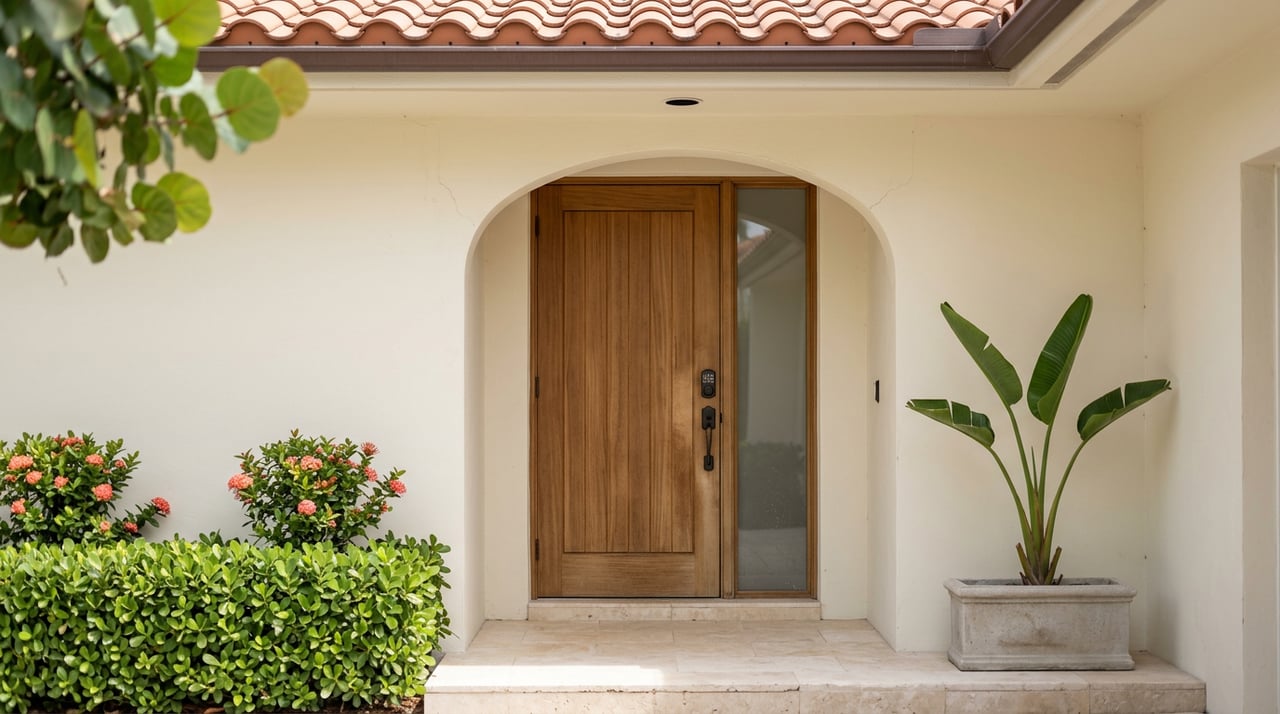
Designing a Lock-and-Leave Jupiter Second Home
March 24, 2026
March 24, 2026
Dreaming of a Jupiter getaway that is effortless to own and easy to lock and leave? You are not alone. Many second‑home buyers love the beach lifestyle but want a plan that reduces risk and routine chores while they are away. In this guide, you will learn how to build storm‑smart durability, choose low‑maintenance finishes, set up remote monitoring, and create a local vendor schedule that fits Palm Beach County. Let’s dive in.
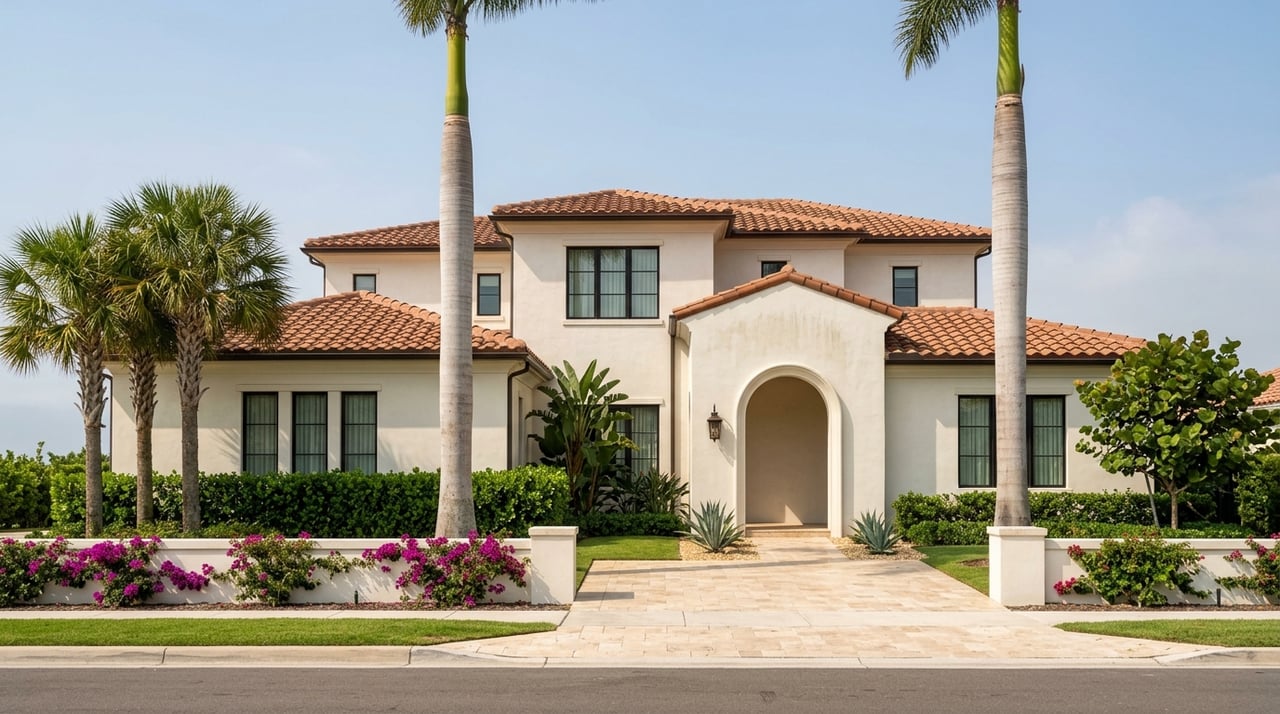
Jupiter’s coastal setting brings sun, salt air and seasonal storms. The Atlantic hurricane season runs June 1 through November 30, so your home plan should include pre‑season checks and post‑storm inspections. According to Palm Beach County’s building guidance, local properties sit in Florida’s wind‑borne debris region, which shapes requirements for impact protection and permits. Always verify the exact wind map and applicable code for your parcel before you choose windows, doors or shutters.
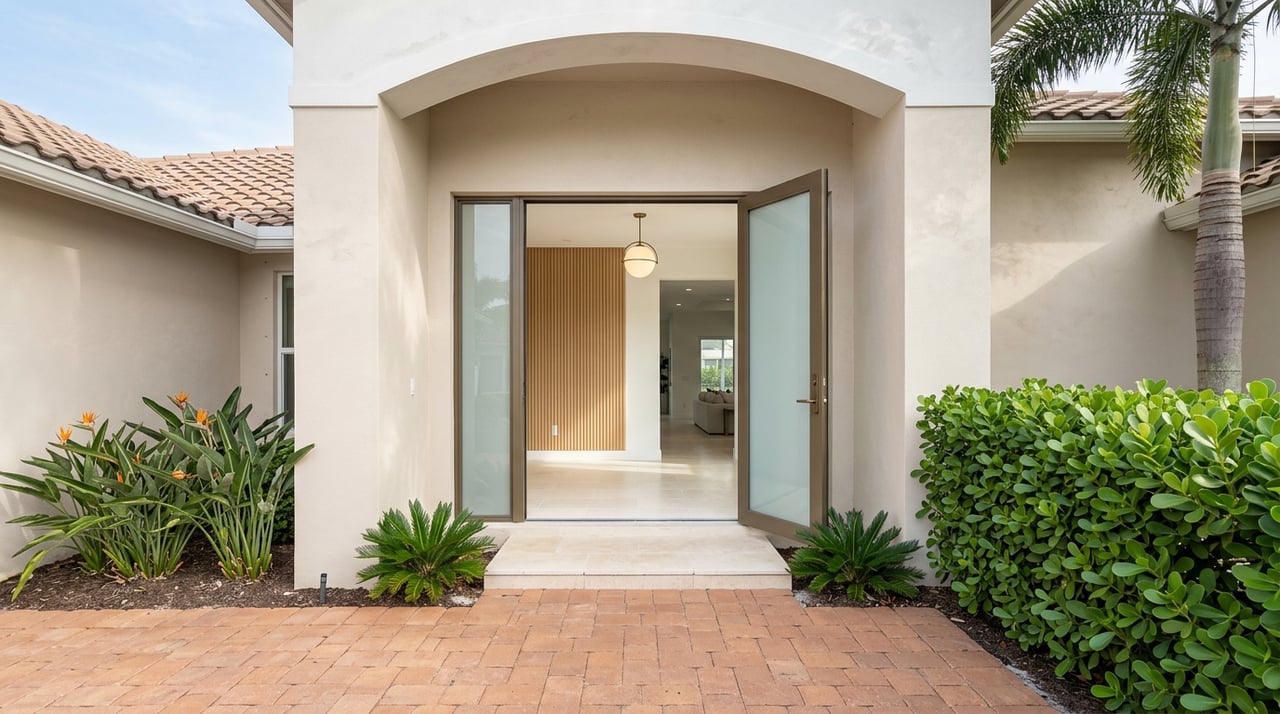
Use impact‑rated windows and doors or tested shutters that meet your site’s wind‑borne debris requirements. Confirm product approvals and labeling before purchase, and keep permits and receipts on file. Properly protected openings are the single biggest step you can take to limit storm damage. Palm Beach County code amendments
Select a wind‑rated roof system and fastening pattern that match your property’s design wind speed. Keep a wind‑mitigation file with inspections, invoices and photos. That documentation can support insurance credits and help with claims if a storm occurs.
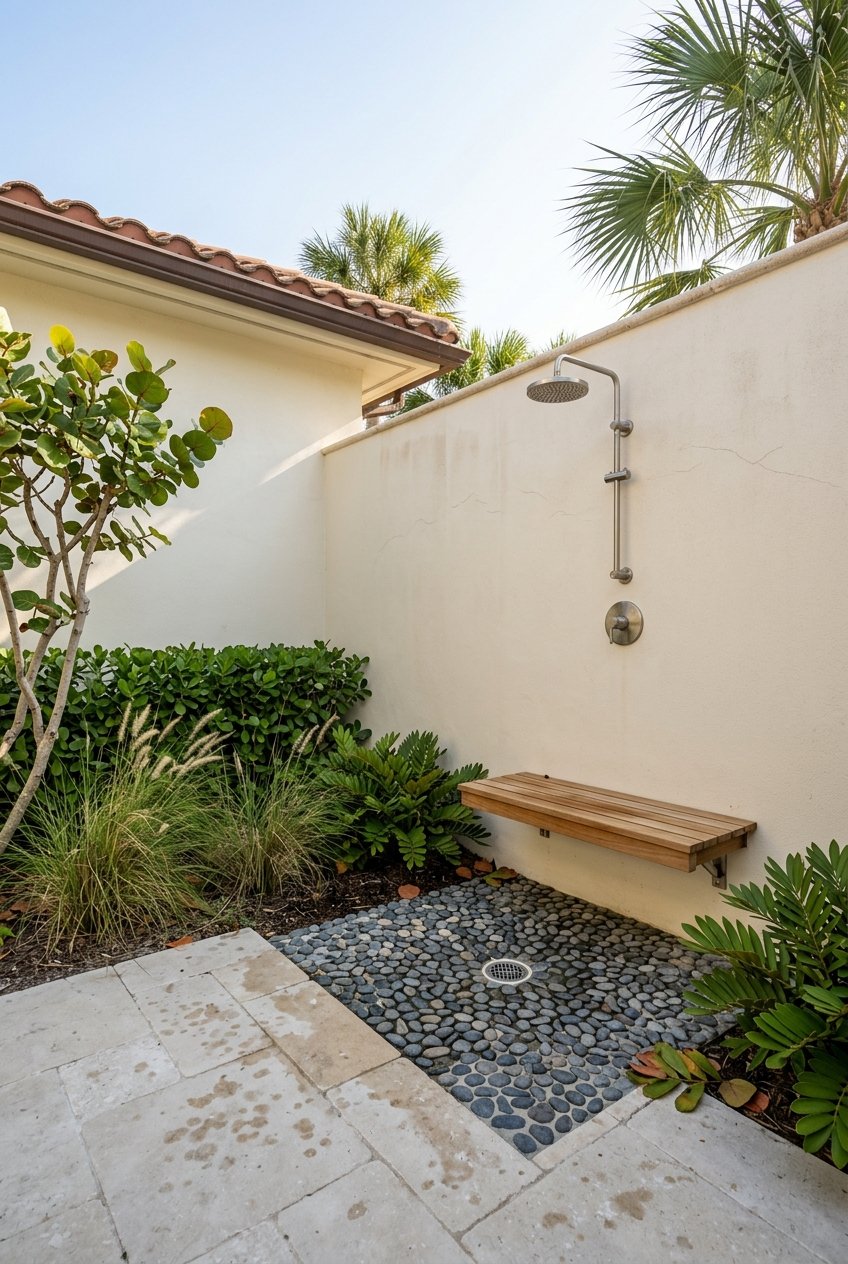
Pick stainless steel or heavy hot‑dip galvanized connectors and hardware where allowed, and design details that shed water to avoid salt buildup. Schedule freshwater rinses of railings and hardware and keep exterior paint and sealers on a tighter cycle near the ocean. FEMA coastal durability guidance
Tile or high‑quality luxury vinyl plank stand up well to sand and humidity. In kitchens and baths, quartz or porcelain counters, sealed cabinetry, and corrosion‑resistant hardware reduce wear. Choose fabrics labeled for outdoor or coastal use in high‑traffic spaces to resist mildew and UV.
Use a smart thermostat so you can adjust temperature remotely. Pair it with a humidity strategy, such as a whole‑house dehumidifier or setpoints that keep relative humidity in check while you are away. Service HVAC twice a year, including coils and condensate drains, to reduce mold risk.
Choose a professionally monitored security system with a mobile app so you can arm, disarm and receive alerts from anywhere. Palm Beach County requires burglar alarm permits and false‑alarm compliance, so register your system and keep the permit current. PBSO Alarm Unit permits and rules
Alarm and low‑voltage work in Florida is regulated. Hire companies authorized under state law and document license numbers and insurance. Verify licenses before work begins. Florida Statutes, Chapter 489 | Verify a Florida license
Use cloud‑backed cameras that save event clips. Where Wi‑Fi is unreliable, consider cellular backup to avoid single‑point failures. Smart locks with keypad and virtual codes make guest, vendor and cleaner access simple without key handoffs.
Install a whole‑house smart water monitor with automatic shutoff so slow leaks and burst pipes do not become disasters while you are away. Have a licensed plumber install and test it. Phyn Plus smart water shutoff overview
If you expect long absences, discuss a standby generator and automatic transfer switch with a licensed electrician. Test the system on a regular schedule and maintain fuel supplies according to manufacturer guidance.
Set a written roster with contacts, licenses, insurance and response times. A baseline cadence that fits Jupiter’s climate looks like this:
Most homeowner policies include vacancy or unoccupancy clauses that can limit or exclude coverage after a period away, often 30 to 60 days depending on the policy. Ask your insurer about endorsements for extended vacancy and document your inspection schedule, alarm monitoring and water‑shutoff device to help preserve coverage. Vacancy clause overview
Before you invest in upgrades, add these steps to your plan:
Ready to find a second home that fits this plan or to fine‑tune one you already own? Reach out to Liz Elliott for a tailored, concierge strategy that fits Jupiter and the northern Palm Beach corridor.
Stay up to date on the latest real estate trends.



Get assistance in determining current property value, crafting a competitive offer, writing and negotiating a contract, and much more. Contact me today.