How to Evaluate Boat Access Homes in Stuart FL
January 1, 2026
January 1, 2026
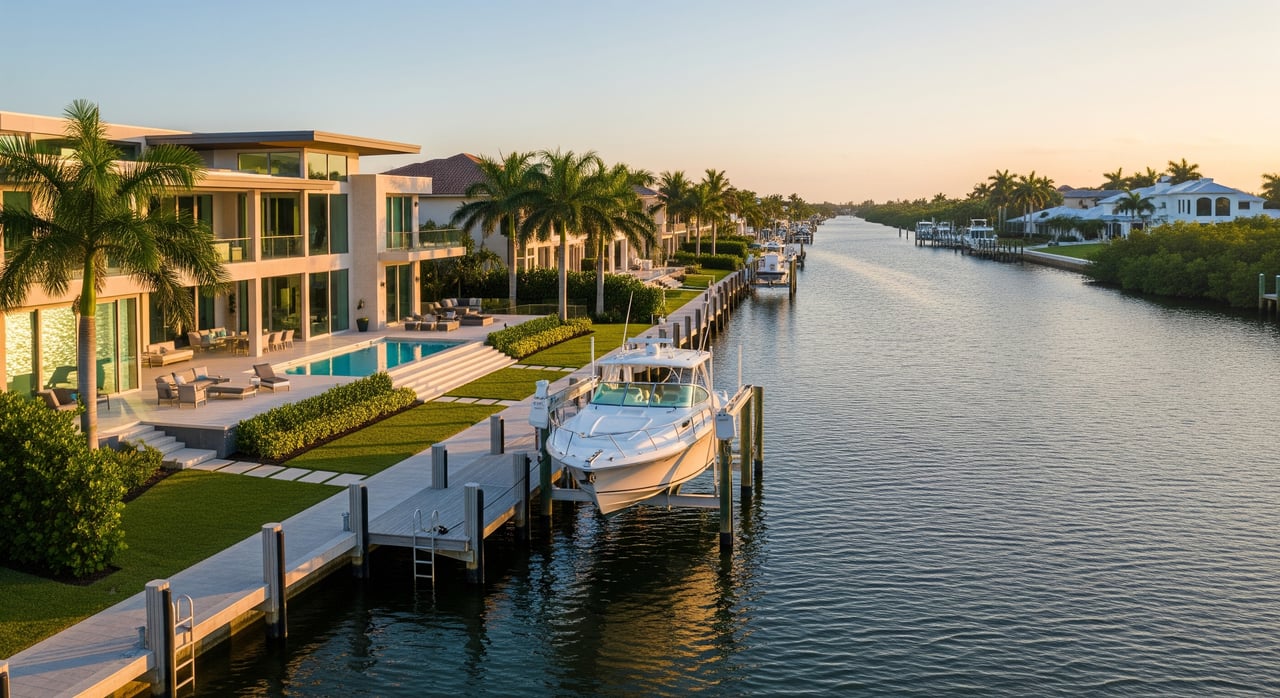
Two waterfront homes in Stuart can look alike from the street yet offer very different boating experiences on the water. If you plan to fish offshore, cruise the Intracoastal, or keep a yacht on a lift, the details matter long before you make an offer. In this guide, you will learn how to evaluate boat access with confidence so your next home truly fits your boating plans. Let’s dive in.
Stuart sits at the meeting point of the St. Lucie River, the Intracoastal Waterway, and a network of canals. Some routes rely on well-maintained channels while private canals can shoal and change with seasons and storms. Tides are modest here, yet low-water levels and wind can still affect depths at your dock and along narrow cuts.
Environmental rules also shape what you can do with docks and lifts. Manatee protection zones and seagrass areas influence speeds, anchoring, and where structures may be placed or modified. Flood zones and coastal construction standards affect both insurance and permitted seawall or dock design.
Your first step is to outline the exact path from the property to the spots you plan to visit most, whether that is the inlet, local sandbars, or the ICW.
Use official resources as your starting point. Review current NOAA nautical charts for channel markers, controlling depths, and bridge data. Pair that with NOAA Tides & Currents to plan around low water and seasonal variations. Before closing, scan the U.S. Coast Guard site for local notices that report temporary changes to aids to navigation or construction impacts.
List every bridge between the property and your destination. For each, record whether it is fixed or movable and the posted vertical clearance reference. Compare your vessel’s air draft to the published clearance at the appropriate tide level. If a drawbridge is part of your route, confirm the current opening rules and whether recreational openings are on demand or scheduled.
Depth is the limiting factor for many boats in private canals. Federal and state channels publish controlling depths, but smaller canals often do not. Shoaling after storms is common, which is why a property-level check at low tide is essential.
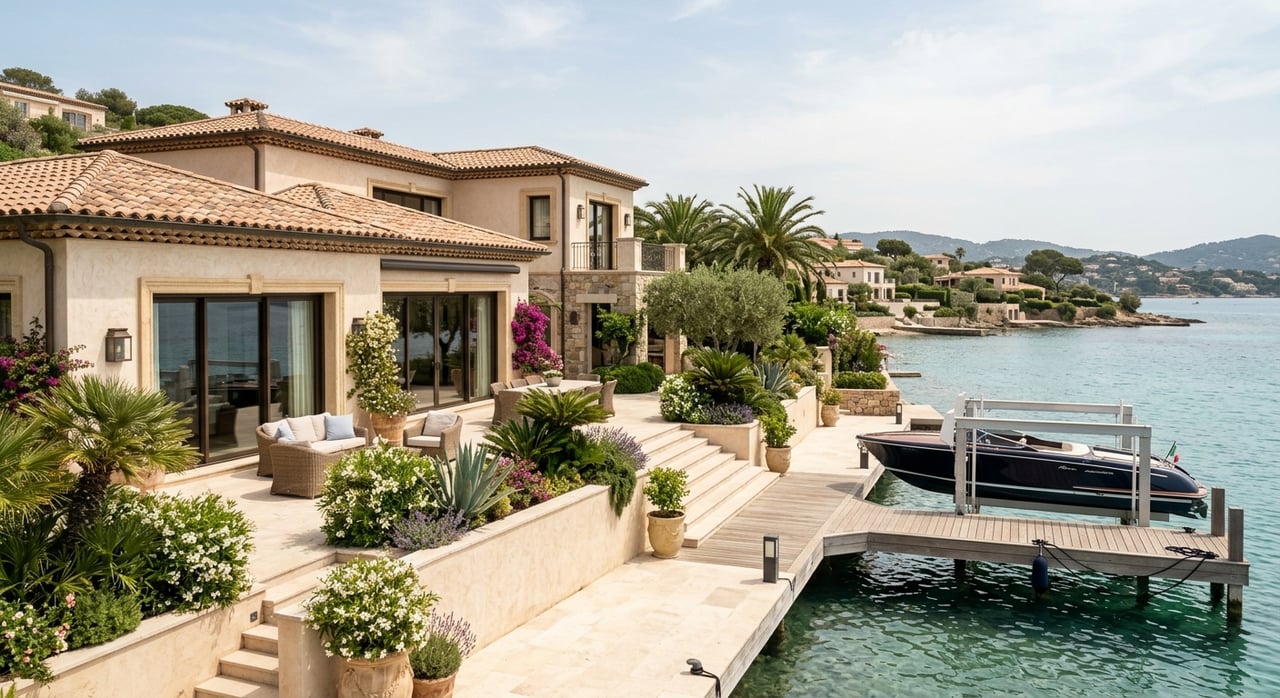
A waterfront home is only as useful as its dock and lift. Document the structure type, condition, and capacity so you know it will serve your current boat or a future upgrade.
Request recent inspection reports if available. If not, bring a licensed dock or marine contractor to evaluate the structure and electrical systems. Confirm maneuvering room for your vessel’s length and beam so you can turn, back, and exit safely without tight or hazardous moves.
Do not assume an existing dock is fully permitted. Verify permit status with local and state authorities and confirm that those permits attach to the property.
If the property is in an HOA with a private marina or shared docks, review the rules early. These documents often govern what size and type of vessel you can keep and what it will cost.
Ask for current policies in writing and confirm whether the HOA carries liability coverage for common docks or if you need additional insurance.
Waterfront properties involve layered insurance decisions that affect both your budget and risk tolerance. Flood insurance may be required if a federally backed mortgage is involved and the home falls within a mapped flood zone. You can confirm the specific zone and elevation context at the FEMA Flood Map Service Center.
Windstorm and hurricane coverage often include a separate percentage-based deductible. Ask for written quotes that outline deductibles and any endorsements that apply to docks and seawalls. For your boat, compare agreed value vs. actual cash value policies and ask about named-storm requirements, such as haul-out or specific tie-down plans.
For a helpful primer, review the Insurance Information Institute overview. For storm planning and vessel protection, explore BoatUS hurricane preparation guides so your coverage and plan align before the season begins.
Local waterway rules protect seagrass and manatees, and they also shape your day-to-day boating speed and routes. Review manatee protection and speed zones and plan your runs with no-wake areas in mind. Confirm nearby pump-out access and any marina rules for maintenance or fueling.
Create a property and vessel hurricane plan that covers haul-out options, lift capacities, and secure mooring arrangements. If your policy requires specific actions before a named storm, document how and where you will complete them.
You will save time and avoid surprises by engaging the right specialists early.
Request these deliverables before your final offer:
Use this list to keep your evaluation simple and thorough.
If you are serious about a home in Stuart, confirm practical boat access before you negotiate price. A well-documented route, depth check, and permit file can protect your investment and your boating lifestyle. When you are ready to tour waterfront options or want introductions to trusted surveyors and marine contractors, connect with Liz Elliott to start a focused, concierge buying plan.
Stay up to date on the latest real estate trends.

Get assistance in determining current property value, crafting a competitive offer, writing and negotiating a contract, and much more. Contact me today.