
Cost of Living in Jensen Beach: 2025 Local Guide
December 4, 2025
December 4, 2025
Thinking about a home in Jensen Beach but unsure what it really costs each month? You are not alone. Coastal living can feel complex if you are moving from out of state or planning a seasonal place. In this guide, you will learn the real-world cost drivers that matter in Jensen Beach, how to budget for them, and practical steps to verify numbers before you buy. Let’s dive in.
Jensen Beach sits on Florida’s Treasure Coast in Martin County. Its coastal setting brings benefits and a few unique expenses. You will plan for insurance that accounts for wind and hurricanes, potential flood coverage, higher salt-related upkeep, and possible HOA or condo fees, especially in waterfront communities.
If you are a seasonal owner, expect extra line items like property checks, utility management during vacancies, and hurricane prep. The goal is to build a clear, property-specific budget rather than rely on statewide averages.
Florida property taxes are based on a property’s assessed value and local millage rates. In Martin County, your annual tax equals assessed value multiplied by the millage rate, then divided by 1,000. Many owners pay through mortgage escrow.
To budget monthly, divide the annual property tax by 12. If you are comparing homes, look up the parcel on the county property appraiser site to view assessed values and recent tax history, then ask your lender how taxes will be handled with your loan.
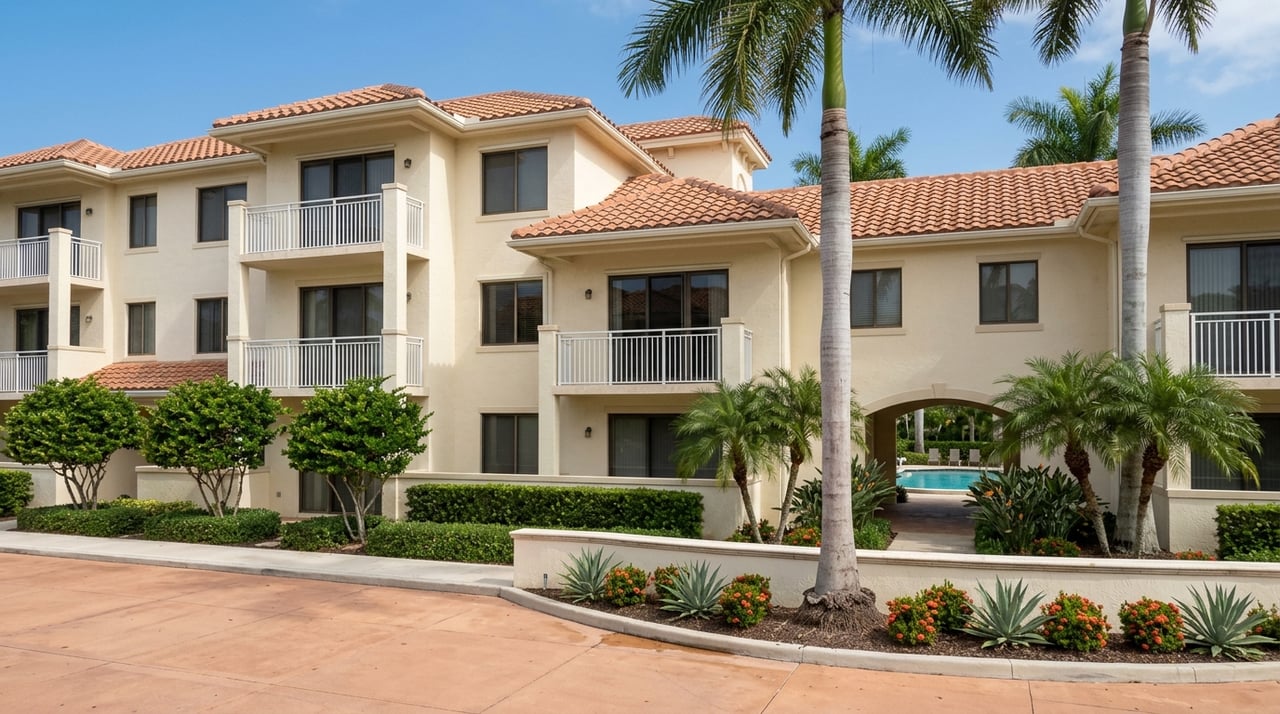
Many coastal condos and some neighborhoods have monthly HOA or condo fees. These can cover exterior maintenance, roof and common-area repairs, master insurance for common areas, landscaping, elevators, pools, seawalls, pest control, and reserves.
Condo communities often carry higher fees to properly fund reserves for roofs, elevators, or seawalls. Single-family neighborhoods may have lower fees or none. Always review the most recent budget, reserve study, meeting minutes, and any special assessment history before you make an offer.
Florida homeowners insurance is often higher than inland markets due to hurricane and wind risk. Many policies use percentage-based hurricane or wind deductibles, commonly ranging from 1% to 5% of dwelling coverage. That means your out-of-pocket after a declared hurricane can be significant.
Ask insurers about mitigation credits. Features like impact windows, roof straps, and shutters may reduce premiums when documented through a wind-mitigation inspection. Some owners use private carriers, while others are insured through the state’s insurer of last resort. Get multiple quotes from local agents familiar with Martin County.
Standard homeowners policies do not cover flooding. If a property is in a FEMA Special Flood Hazard Area, your lender will likely require flood insurance through the federal program or a private insurer. Premiums vary based on flood zone, elevation, and building details, including elevation certificates.
If you are considering a condo, find out whether the association carries a master flood policy for the building and what you, as a unit owner, would still need to insure.
Electricity is a major line item in Florida due to air conditioning. Your usage will vary by home size, insulation, and occupancy. Seasonal owners often see lower averages but higher peaks when in residence.
Add water and sewer, trash and recycling, and internet or TV to your monthly plan. Some homes use propane for pool heaters or gas appliances. Ask for 12 months of seller utility bills to understand real usage and seasonal swings.
Coastal homes need more frequent upkeep because salt and humidity accelerate wear. A common rule of thumb is to budget 1.5% to 3% of a home’s value per year for maintenance on coastal single-family homes, especially waterfront properties. Condos can reduce some private maintenance but may have higher association fees to fund reserves.
Plan for exterior painting, pressure washing, pest control, HVAC service and earlier replacement, and corrosion-resistant hardware. Waterfront owners should also plan for dock or seawall repairs over time. If you own a pool, include regular service.
If you will not be in residence full-time, consider monthly property checks, lawn and pool care, and storm prep services. For long-term rentals, management fees often range from 8% to 12% of monthly rent. Short-term rentals can carry higher fees plus cleaning and marketing costs.
Before buying with rental goals, confirm county regulations and any HOA rules related to lease terms and guest stays. Rules vary by community.
Below are example ranges to help you pressure-test a budget. Your numbers will depend on the property’s specifics. Always verify with quotes and community documents.
Notes: Associations may handle exterior items, but special assessments for roofs or seawalls can still occur.
These figures are illustrative only. Verify at the address level before you finalize your budget.
Coastal ownership benefits from a forward-looking plan. Budget for periodic exterior work and potential seawall or dock maintenance if applicable. Ask insurers how hurricane deductibles work and whether your policy includes replacement-cost coverage and additional living expense limits.
For a longer horizon, review coastal resiliency planning and consider how elevation, building improvements, and local infrastructure can influence insurance availability and costs over time.
You deserve a clear, tailored budget before you make a move in Jensen Beach. If you want help mapping costs to specific homes, reviewing HOA documents, or aligning your goals with the right neighborhood, connect with a local advisor who lives this market every day. Reach out to Liz Elliott to start a focused, no-pressure conversation.
Stay up to date on the latest real estate trends.


Get assistance in determining current property value, crafting a competitive offer, writing and negotiating a contract, and much more. Contact me today.