
Understanding Jumbo Loan Options in Jupiter, FL
November 21, 2025
November 21, 2025
Shopping for a home in Jupiter and not sure if your mortgage will be a jumbo? With waterfront living and luxury new builds, it is common here for purchase prices to brush past standard lending caps. You want clarity on limits, requirements, and how to set yourself up for a smooth approval. This guide breaks down what a jumbo loan is, how Palm Beach County limits work, what lenders expect, and the steps to get ready. Let’s dive in.
A jumbo loan is a mortgage that is larger than the conforming loan limit set each year by the Federal Housing Finance Agency. Loans at or below the limit are called conforming and can be sold to Fannie Mae or Freddie Mac. Anything above the limit is non-conforming, often called jumbo.
This distinction matters because conforming loans follow standardized rules and attract a broad range of investors. Jumbo loans are usually kept by portfolio lenders or sold to private investors, so they tend to have stricter underwriting, different documentation needs, and pricing that can vary more from lender to lender.
The FHFA sets conforming loan limits annually. There is a national baseline, and certain high-cost areas receive a higher limit. Each county’s limit is listed in FHFA’s county-by-county table for the current year.
To see if your Jupiter purchase falls into jumbo territory, verify the current Palm Beach County conforming limit for the year you plan to buy. Limits change annually, so a home that required a jumbo last year may qualify for conforming financing this year. If you are exploring FHA or VA, check those program rules separately because their limits and eligibility differ from conventional conforming loans.
When in doubt, confirm with a lender and ask for written pre-approval that specifies the loan type.
Jumbo underwriting is usually more detailed than conforming. Plan ahead for the following.
Lenders typically look for strong credit. Many programs begin near the high-600s to low-700s, and some lenders prefer mid-700s for best terms. Requirements vary by lender and product.
Common jumbo options require about 10% to 20% down, resulting in loan-to-value ratios between 80% and 90%. Some programs ask for 20% to 30% down to secure the best pricing. Lower-down options exist but are less common and often pricier.
Expect lenders to require several months of mortgage payments in reserves, often 6 to 12 months for a primary residence. Second homes and investment properties can require more.
DTI standards are often tighter for jumbos. Strong reserves, excellent credit, and larger down payments can help offset a higher DTI, but limits depend on the lender.
Most jumbo programs require full income, employment, and asset verification. Some non-QM or portfolio products allow alternative documentation, but they usually come with higher rates and larger down payment or reserve requirements.
Luxury and unique properties may need more detailed appraisals or even multiple appraisals. Expect longer timelines and be prepared to address appraisal gaps if comparable sales are limited.
Historically, jumbo loans are priced a bit higher than conforming loans because of smaller investor pools and greater lender exposure. In many markets, the rate spread is often a few tenths of a percentage point. The exact difference changes with market conditions, lender type, and your borrower profile.
Your rate is influenced by credit score, loan size, LTV, product type (fixed or ARM), documentation type, and overall market conditions. Traditional mortgage insurance is common for conforming loans above 80% LTV. For jumbos, lenders often require larger down payments instead of PMI, or they may structure a second lien. Requirements vary by lender.
Predictable payments and common for primary homes. Best pricing usually goes to borrowers with strong credit and ample reserves.
ARMs can start with lower initial rates but carry reset risk later. They may fit if you expect a shorter ownership window or plan to refinance.
These loans are held in-house by the lender and can offer flexible underwriting. They can help buyers with nontraditional income or very large loan sizes. Pricing and terms vary widely.
Useful for self-employed buyers or those with complex income. These typically have higher rates and stricter down payment and reserve demands.
Less common today but sometimes used to manage LTV or avoid certain costs. Review closing costs and long-term risk before choosing this path.
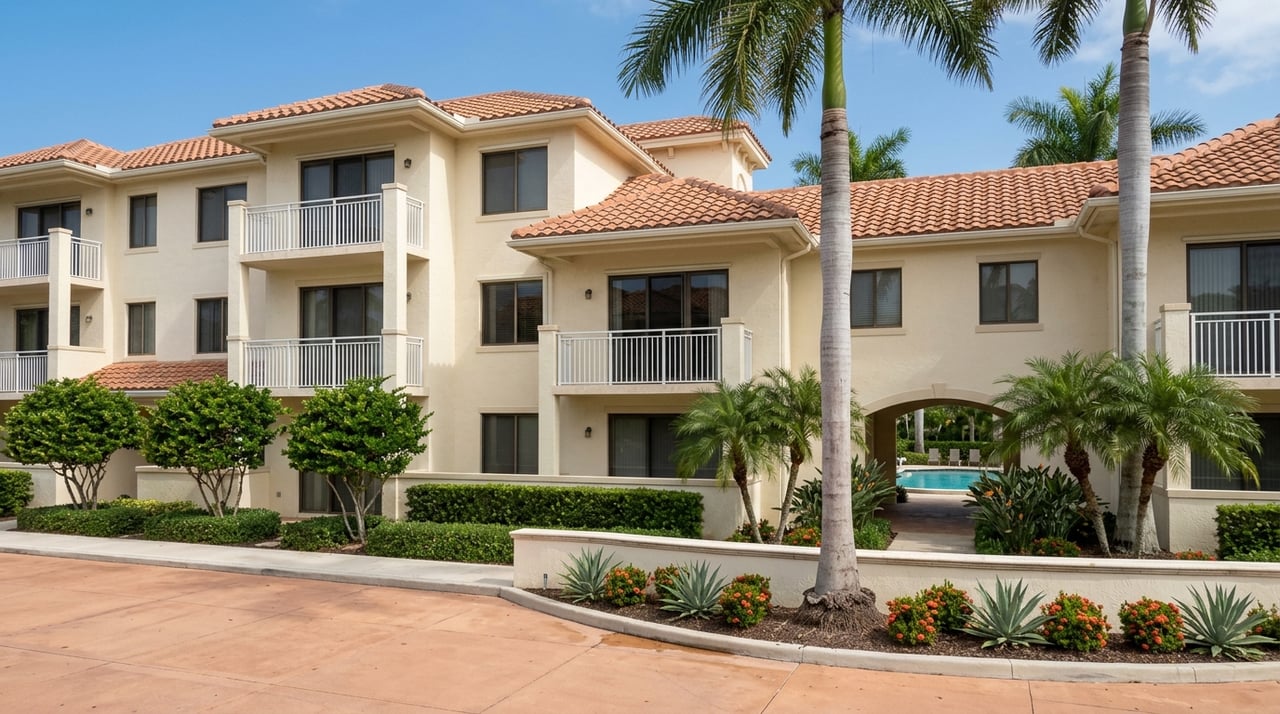
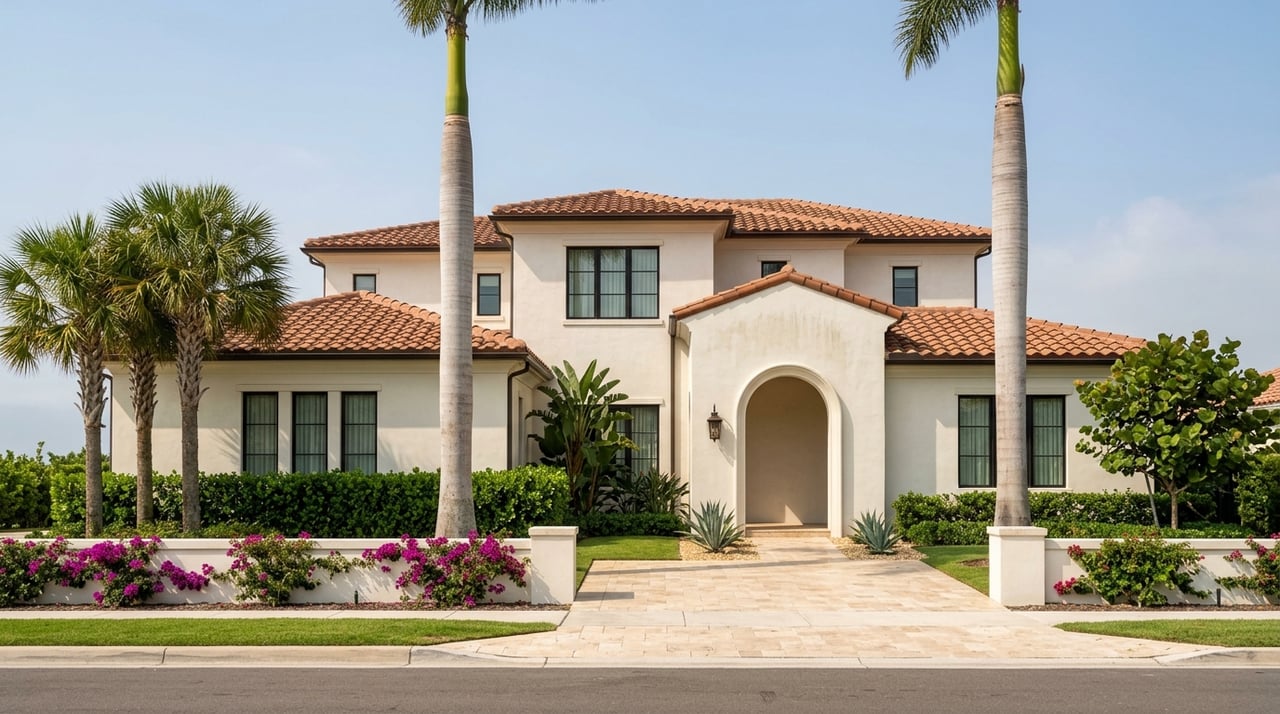
Jupiter and northern Palm Beach County include coastal luxury, waterfront estates, and high-end single-family communities where purchase prices often exceed conforming limits. That makes jumbo financing a key tool for many move-up and luxury buyers.
Condos and HOA-managed properties can face additional review. Lenders often assess association budgets, reserves, and investor ratios. New construction may require extra documentation.
Flood zones are common along the coast and near waterways. Lenders will require flood insurance where applicable, and Florida’s wind and hurricane insurance costs can raise monthly housing expenses. These premiums factor into your qualification and reserve calculations.
Because luxury properties can be unique, appraisals may take longer and require specialty appraisers. Jumbo approvals can run on extended timelines due to deeper documentation and appraisal reviews, so build that into your offer strategy.
If your loan amount will exceed the Palm Beach County conforming limit, you are likely looking at a jumbo. Start early, confirm today’s county limit, and be ready with strong credit, a thoughtful down payment strategy, adequate reserves, and complete documentation. With the right plan, you can secure competitive terms and close on the Jupiter home you want.
If you are weighing jumbo options, want a second opinion on strategy, or need introductions to trusted local lenders, reach out to Liz Elliott for a private consultation.
Stay up to date on the latest real estate trends.






Get assistance in determining current property value, crafting a competitive offer, writing and negotiating a contract, and much more. Contact me today.