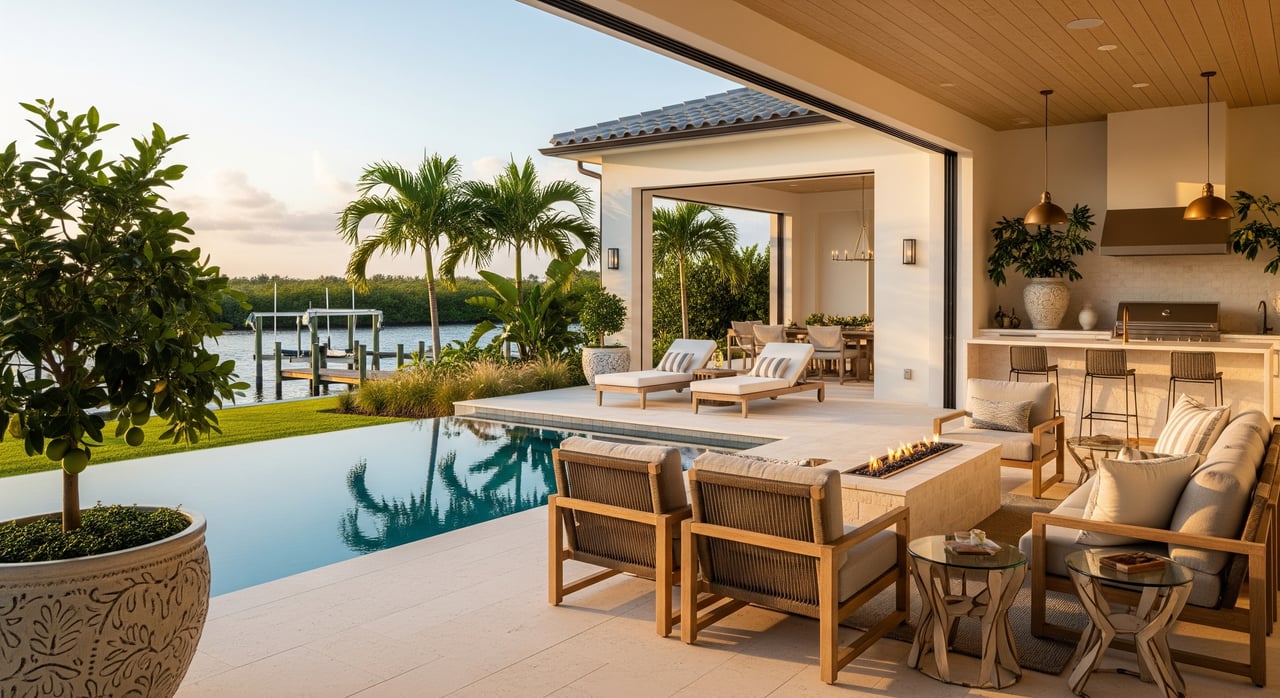
Outdoor Living Design in Port St. Lucie That Truly Works
November 6, 2025
November 6, 2025
You move to Port St. Lucie for the sunshine, not to hide from it. But the same heat, humidity and summer storms that make the Treasure Coast lush can turn a backyard into a hot, slippery, high-maintenance headache. If you want an outdoor living space that stays comfortable and looks great without constant upkeep, design choices matter.
This guide walks you through smart shade, durable materials, poolside layouts, planting, drainage and permitting that fit Port St. Lucie’s climate. You will learn what works, what to avoid, and how to plan upgrades that add everyday enjoyment and long-term value. Let’s dive in.
Port St. Lucie sees warm weather year-round, with long hot summers, high humidity and a rainy season from late spring through early fall. Afternoon thunderstorms are common in summer, and hurricane season runs June through November. These conditions shape every decision you make outside.
Heat means you need reliable shade and surfaces that stay cooler underfoot. Humidity and frequent rain mean your materials must resist mold, mildew and rot, and your design must shed water fast. Wind and hurricanes demand wind-rated structures and secure anchoring. Salt in the air accelerates corrosion even if you are not oceanfront, so choose corrosion-resistant hardware and finishes.
Before you draw a plan, confirm your flood zone, note lot orientation and breezes, and locate large trees and root zones. This helps you capture cooler easterly breezes, block afternoon sun, and avoid conflicts with pool placement, foundations and hurricane safety.
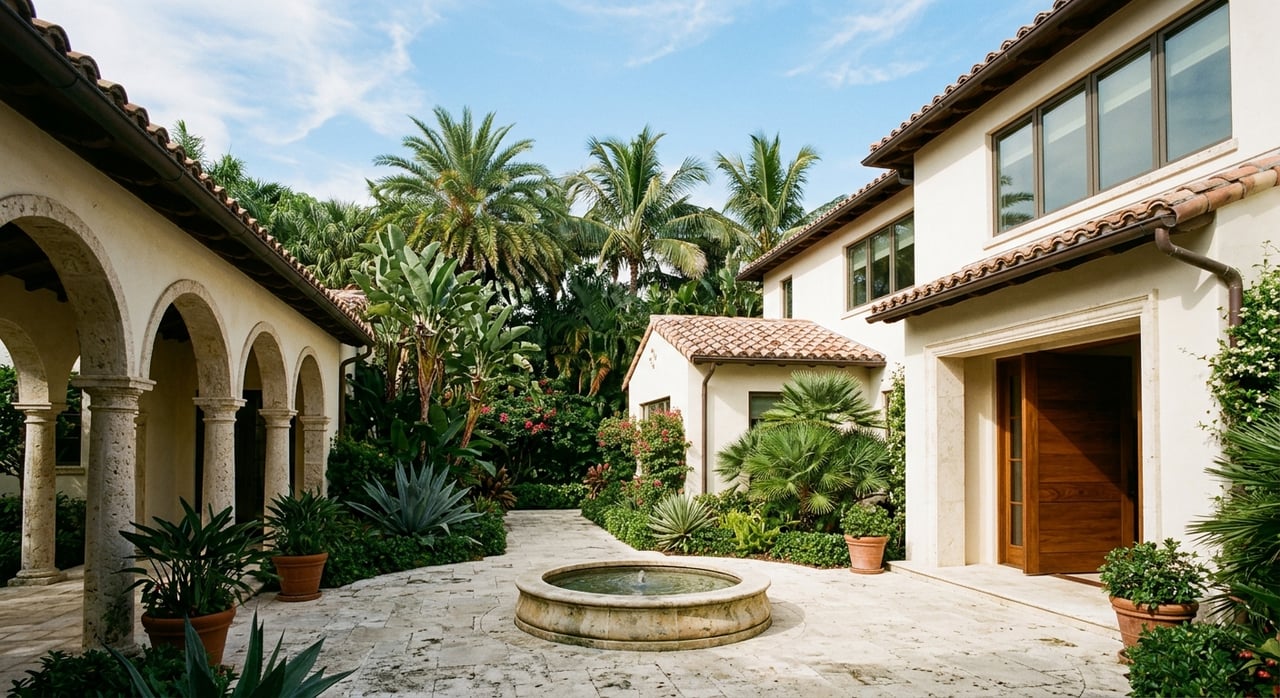
A screened lanai or roofed patio gives you bug control and consistent rain protection, so you can use the space more days each year. These structures must meet Florida Building Code wind-load requirements. When designed with proper overhangs, gutters and drainage, they keep furniture and flooring drier and cleaner.
Pergolas create filtered light and airflow. Add louvered or retractable roofs for flexible weather control. Motorized systems provide quick coverage during a pop-up shower but plan for routine mechanical maintenance. Use corrosion-resistant components to extend service life in humid, salty air.
Retractable awnings are a flexible way to tame afternoon sun. Choose UV- and mildew-resistant fabrics and retract when storms approach. Shade sails and umbrellas are budget-friendly but need proper anchoring and removal in severe weather. Include secure, engineered attachments if they are permanent.
Use powder-coated or anodized aluminum for frames and stainless steel fasteners. In coastal counties, 316 stainless provides better corrosion resistance than standard steel. Pressure-treated or naturally rot-resistant woods like cedar or cypress work for carpentry, and composites reduce repainting. For roofs, metal or insulated panels cut heat transfer and last in heavy rain.
Air movement makes the difference between a sticky afternoon and an easy one. Add outdoor-rated ceiling fans and design cross-ventilation paths so hot air can escape. Misting systems help only in open, well-ventilated areas and can raise surface moisture during very humid days. Fans and adjustable louvers are reliable, low-maintenance comfort upgrades.
Think in zones. Keep a clear work triangle between cooking, prep and refrigeration. Separate grilling from serving areas to avoid crowding. Route gas, electric and water with accessible shutoffs, and ventilate cabinet interiors to reduce moisture buildup.
Place cooking surfaces under a roof or louvered canopy with adequate overhangs. Maintain manufacturer safety clearances around heat sources and use non-combustible finishes near grills and burners. Plan an unobstructed exhaust path to keep smoke and grease away from seating.
Pick stainless steel grills, preferably 304 or 316 if you are closer to the coast. Expect to clean burners and replace igniters more often in salty air. Use marine-grade or powder-coated aluminum cabinets, rot-resistant polymer boxes or stainless drawers. Avoid untreated wood for cabinet carcasses.
Select granite, quartzite, architectural porcelain or sealed concrete for counters that can handle UV and frequent cleaning. For flooring, go with non-slip, heat-conscious surfaces like textured porcelain pavers, travertine or sealed, broom-finished concrete. Light colors stay cooler in the sun.
Adopt a simple routine. Clean and scour grill parts regularly and check for corrosion at least annually. Seal porous stone counters and pavers per manufacturer guidance. Keep GFCI-protected outlets and plumbing inspected. Small, consistent care prevents bigger repairs later.
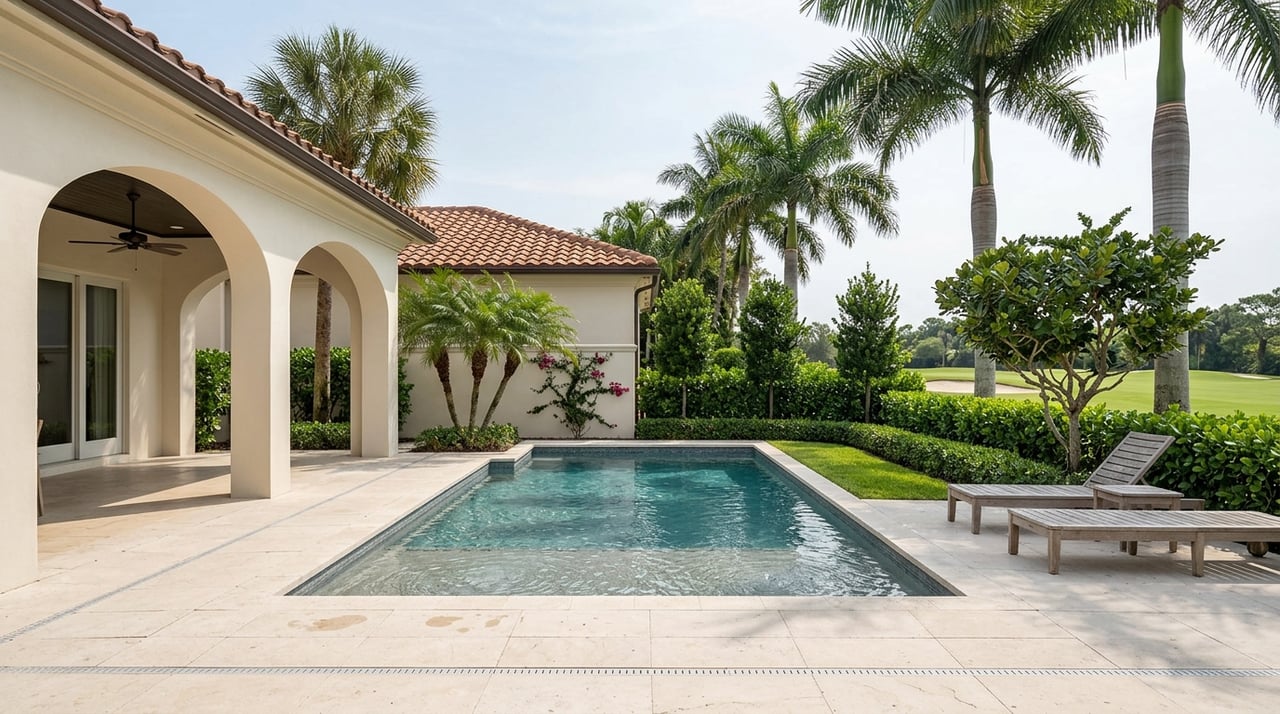
Most homeowners want sun on the pool for warmth and algae control, but you still need shade zones to escape midday heat. Include a covered cabana, pergola or umbrella-ready areas. Use hedges or screens to temper wind and reduce overspray around seating. Ensure any permanent screens meet wind ratings.
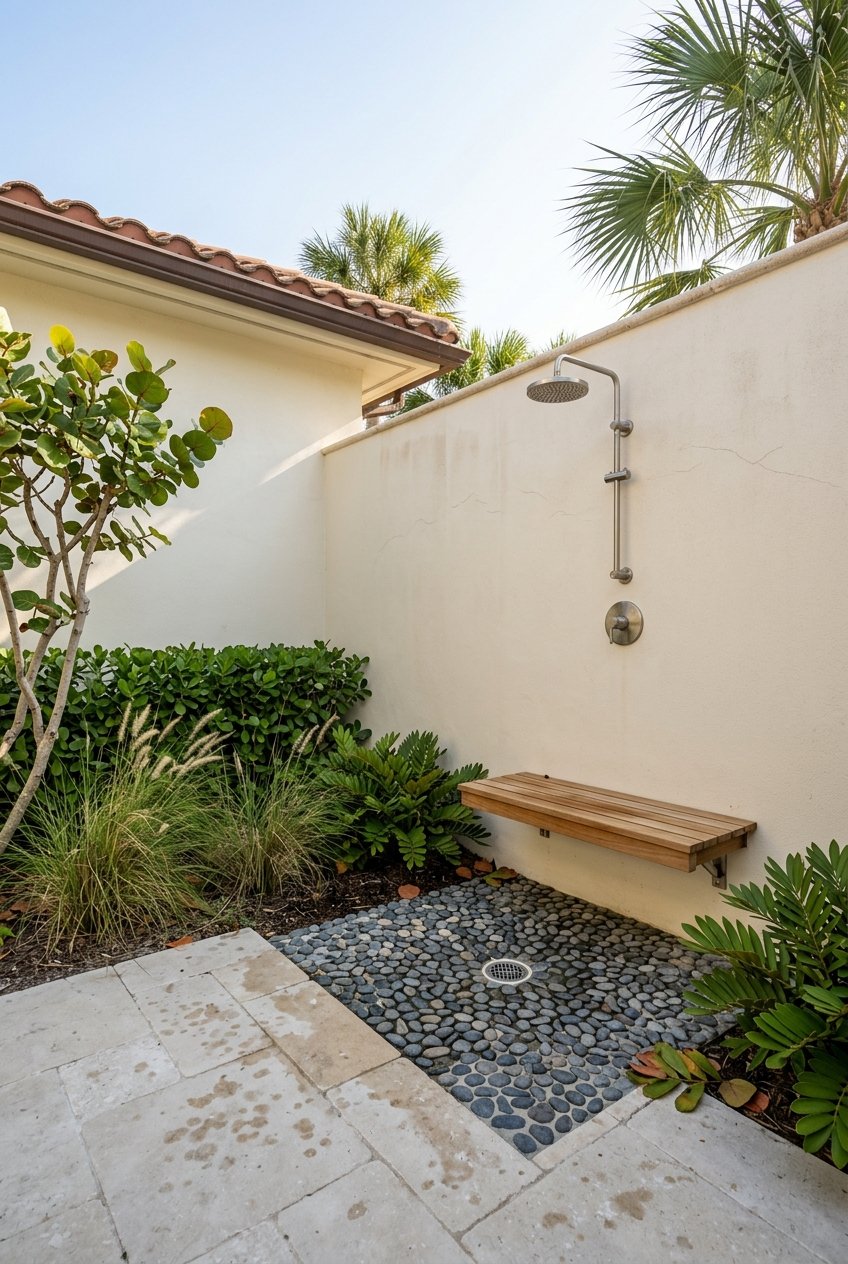
Choose light-colored surfaces to reduce heat underfoot. Textured finishes and pool-rated non-slip tiles improve traction. Build in proper slope so water does not pond. Consider permeable pavers or engineered drainage to handle heavy downpours and lower runoff.
Salt-chlorine systems offer a gentler water feel, but salt can speed corrosion on nearby metal equipment and hardware. Select compatible materials and plan for regular checks. Safety covers cut debris and chemical use during the rainy season. Plant with low-litter, non-invasive species near the pool to minimize clogging and cleanup.
Florida requires pool safety measures like barriers, self-closing gates and alarms. Confirm specific height and hardware requirements with local ordinances in Port St. Lucie and St. Lucie County. Build these features into your design from the start.
Follow Florida-Friendly Landscaping principles. Choose native or regionally adapted plants for drought tolerance and lower fertilizer needs. Favor wind-resistant trees and maintain crown structure to reduce storm failure. Keep trees a safe distance from pools and foundations to protect surfaces and prevent root damage.
Use drip irrigation for planting beds and efficient spray nozzles for turf. Install smart controllers with rain sensors or ET scheduling so you are not watering during the rainy season. Design hardscapes with positive slope toward drains or swales. Add perimeter or trench drains at pool edges where needed, and avoid low spots that invite standing water and mosquitoes.
Focus on prevention. Remove standing water, clean gutters and keep drains clear. Screened lanais and steady fans help deter mosquitoes, which are weak flyers. If you need more control, consult local health and mosquito control guidance for integrated approaches that limit chemical use.
In this area, most permanent outdoor projects require permits and code compliance. That includes roofed patios, screened lanais, structural pergolas, outdoor kitchens with fixed gas, water or electrical service, pools and major decking. Electrical and plumbing work require their own permits. Check application requirements, plan review steps and inspection schedules with the City of Port St. Lucie or St. Lucie County before you start.
If your property sits in a FEMA-designated flood zone, elevation and foundation rules can affect pools, decks and finished floor heights. Coastal high-hazard areas may require additional design measures. Confirm your flood zone early so you can design to code and avoid rework.
Tell your insurer about substantial outdoor improvements like a pool or permanent kitchen. These can affect premiums or policy conditions. Review manufacturer warranties carefully and look for corrosion or coastal exclusions so your expectations match the product’s coverage.
Hire licensed local contractors with experience in Florida wind codes and coastal materials. Ask for proof of licensing and insurance and get references. For roofed structures, lanais and large pergolas, obtain engineered drawings and keep as-builts, hardware submittals and anchorage details for your records and for resale.
A consistent, seasonal checklist keeps your outdoor spaces looking fresh and working well:
Durable, coastal-rated materials often cost more on day one but pay off with fewer repairs in our humid, salty climate. Composite decking, porcelain pavers, powder-coated aluminum frames and marine-grade fasteners reduce ongoing maintenance. Plan for mechanical parts like fans, motors and igniters to be replaced on a cycle. The right balance lowers your lifetime cost and keeps your space market-ready.
When your outdoor areas are designed for shade, airflow, drainage and durability, you use them more. Buyers notice. Screened lanais, well-planned summer kitchens, cool-to-the-touch decking and storm-smart landscaping add everyday function and support long-term value in Port St. Lucie. Start with the climate, choose materials that last, and document permits and warranties for peace of mind.
If you are planning a refresh before listing or want to prioritize the highest-impact upgrades, let’s talk. With a clear plan that fits the local climate and code, you can enjoy your backyard now and position your property to stand out when it is time to sell. Schedule a Consultation with Luxury Living by Liz to map out your next steps.
Stay up to date on the latest real estate trends.
Get assistance in determining current property value, crafting a competitive offer, writing and negotiating a contract, and much more. Contact me today.