
Step-by-Step Guide to Selling Your Waterfront Home in Stuart
May 7, 2026
May 7, 2026
If you are selling a waterfront home in Stuart, you are not just selling square footage. You are also selling dock access, boating convenience, waterfront improvements, and a paper trail that buyers will want to review closely. When you understand that early, the process becomes much smoother. Let’s walk through the steps that matter most.
Before your home goes live, gather the documents that help a buyer understand both the property and the shoreline improvements. For many Stuart waterfront homes, that includes the deed or legal description, an updated survey, flood-zone information, an elevation certificate if one exists, dock and boatlift permits, seawall or shoreline-stabilization records, repair invoices, and any HOA or condo documents.
This step matters because waterfront buyers often look beyond finishes and décor. They want to know whether the dock, lift, seawall, or other shoreline features were properly permitted and whether the paperwork matches what is on the property. In Martin County, permits are required for docks, boatlifts, dock pilings, and certain shoreline improvements such as seawalls.
An updated survey can be especially helpful. It can clarify lot lines, waterfront features, and coastal boundaries that may affect the sale. On some coastal properties, that survey may become important later in the transaction as well.
Flood-related paperwork is a major part of selling a waterfront home in Stuart. Martin County notes that it has many elevation certificates on file for homes built after 1991 in Special Flood Hazard Areas, and certain construction in those areas requires elevation documentation.
If you already have an elevation certificate, pull it early. If you do not, your agent can help you identify what documentation is available and what buyers are likely to ask about. Having this ready upfront can make your listing feel more complete and reduce back-and-forth later.
You should also be prepared to answer questions about flood history, drainage issues, prior flood claims, or FEMA assistance if those facts are known to you and materially affect the property’s value. In Florida, sellers must disclose known material facts that are not readily observable, and that duty still applies even in an as-is sale.
Some waterfront homes in Stuart may be partially or totally seaward of Florida’s coastal construction control line. If that applies to your property, Florida law requires a written coastal disclosure at or before contract execution. Unless the buyer waives it in writing, the seller must also provide an affidavit or survey identifying the control line at or before closing.
This is not something you want to discover at the last minute. If your property may fall into this category, build that review into your pre-listing plan so your closing timeline is not squeezed later.
If your waterfront property is in an HOA or condominium, do not wait to request association documents. Florida law requires associations to issue estoppel certificates within 10 business days after a proper request, and those certificates are only effective for a limited time.
That timing matters in a live transaction. Ordering these documents early helps you avoid delays when a buyer is moving quickly through due diligence.
Waterfront pricing in Stuart is about more than the interior of the home. Buyers are often weighing the condition and usability of the waterfront itself, including the dock, lift, seawall, shoreline improvements, flood-zone positioning, and the quality of the supporting documentation.
In simple terms, a well-prepared waterfront listing can feel less risky to a buyer. Clean permit records, organized maintenance invoices, and clear flood documentation can reduce uncertainty and support stronger confidence in the asking price.
That is one reason a tailored pricing strategy matters. You want to account for the home’s design and finishes, but also for how easily a future owner can use and insure the waterfront features.
In Stuart, waterfront marketing should show more than a pretty view. Martin County’s tourism materials highlight boating, marinas, fishing, and year-round water access, which helps explain what many buyers value most in this market.
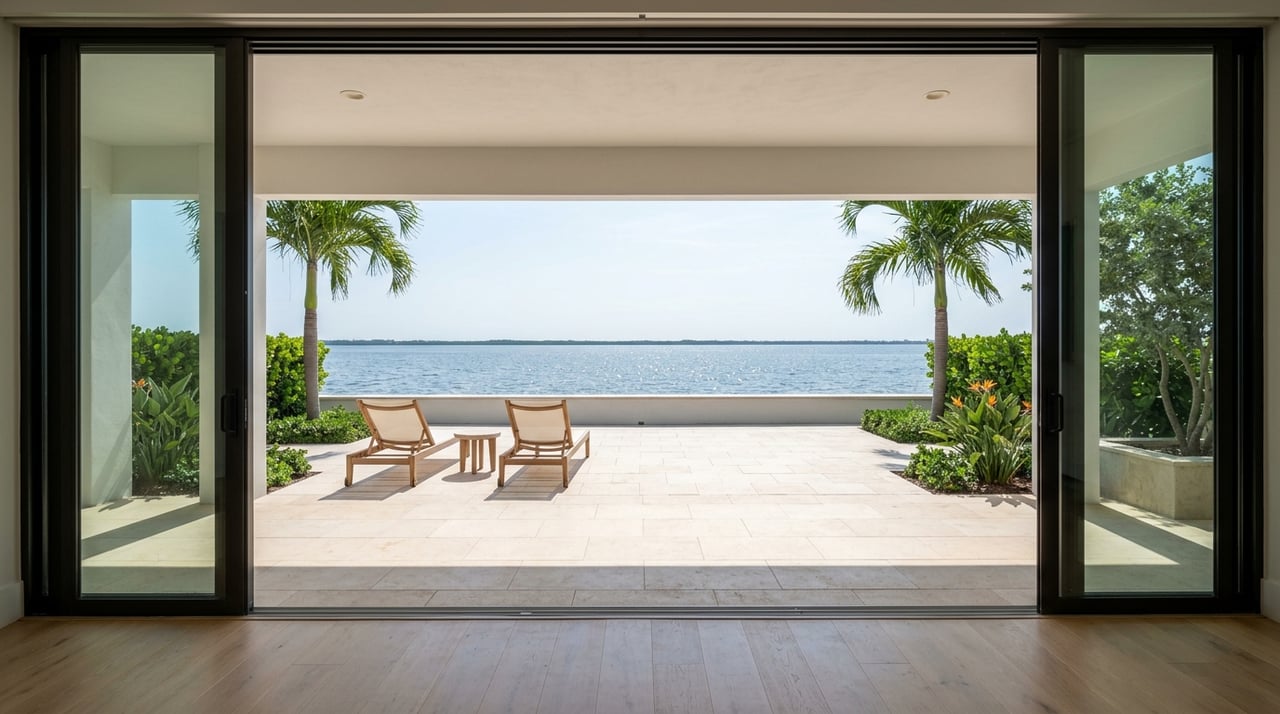
Your listing should make the waterfront utility obvious. That may include the dock, boatlift, shoreline setup, and the property’s access to local waterways when appropriate. The goal is to help buyers picture not just the home, but how they would actually live on the water.
This is where high-quality presentation can make a big difference. Professional photography and virtual tours can help showcase the home’s outdoor spaces, waterfront orientation, and overall lifestyle in a polished way that attracts both local and seasonal buyers.
Stuart’s waterfront appeal is tied closely to boating and seasonal visitation. Martin County notes that winter visitors arrive as temperatures cool, which suggests that some waterfront listings may benefit from being fully prepared ahead of peak seasonal interest.
That does not mean there is only one right time to sell. It does mean that if you are aiming for strong exposure, it helps to have your documents, visuals, and pricing strategy ready before buyers begin comparing waterfront options more actively.
A waterfront home can have more moving parts than a typical sale. Old permits, shoreline improvements, association obligations, and boundary questions can all add complexity.
That is why early title review is smart. Florida real estate guidance warns that title issues can arise from public-record errors, unclear property lines, missing heirs, and unpaid liens. Starting title work early can help surface problems before they derail negotiations or closing.
When buyers tour a waterfront property, they are often evaluating the exterior improvements as carefully as the home itself. They may focus on dock condition, lift operation, seawall condition, flood history, drainage, and how well the documents line up with what they see.
This is another reason preparation matters. A tidy records package and clear answers can help your home show more confidently and keep buyer questions from turning into hesitation.
Once your home goes under contract, timing becomes especially important. Florida’s flood-disclosure law requires the seller to provide the flood disclosure at or before contract execution, so that item should already be on your checklist.
Flood insurance can also affect the buyer’s timeline. FEMA notes that most homeowners insurance policies do not cover flood damage, and National Flood Insurance Program policies typically have a 30-day waiting period unless an exception applies. If a buyer needs new flood coverage late in the process, that can create avoidable stress.
For homes affected by the coastal construction control line, any required coastal disclosure, affidavit, or survey should also be built into the contract calendar from the start. In a waterfront transaction, small timing issues can quickly become closing issues.
At closing, Florida documentary stamp tax on the deed is one cost sellers should expect. According to the Florida Department of Revenue, deeds transferring an interest in Florida real property are subject to documentary stamp tax, and outside Miami-Dade County the rate is 70 cents per $100, or portion thereof, of consideration.
This tax is generally paid when the deed is recorded. While your closing agent will handle the final settlement process, it helps to know this cost is coming so there are no surprises.
If you want the process in a clear sequence, here is the short version:
Selling a waterfront home in Stuart takes more than beautiful marketing alone. It takes a smart plan, organized documentation, and a clear understanding of what waterfront buyers are evaluating from the first showing to the closing table. If you want a polished, high-touch approach to preparing and marketing your property, Liz Elliott can help you navigate the process with local insight and personalized service.
Stay up to date on the latest real estate trends.



Get assistance in determining current property value, crafting a competitive offer, writing and negotiating a contract, and much more. Contact me today.