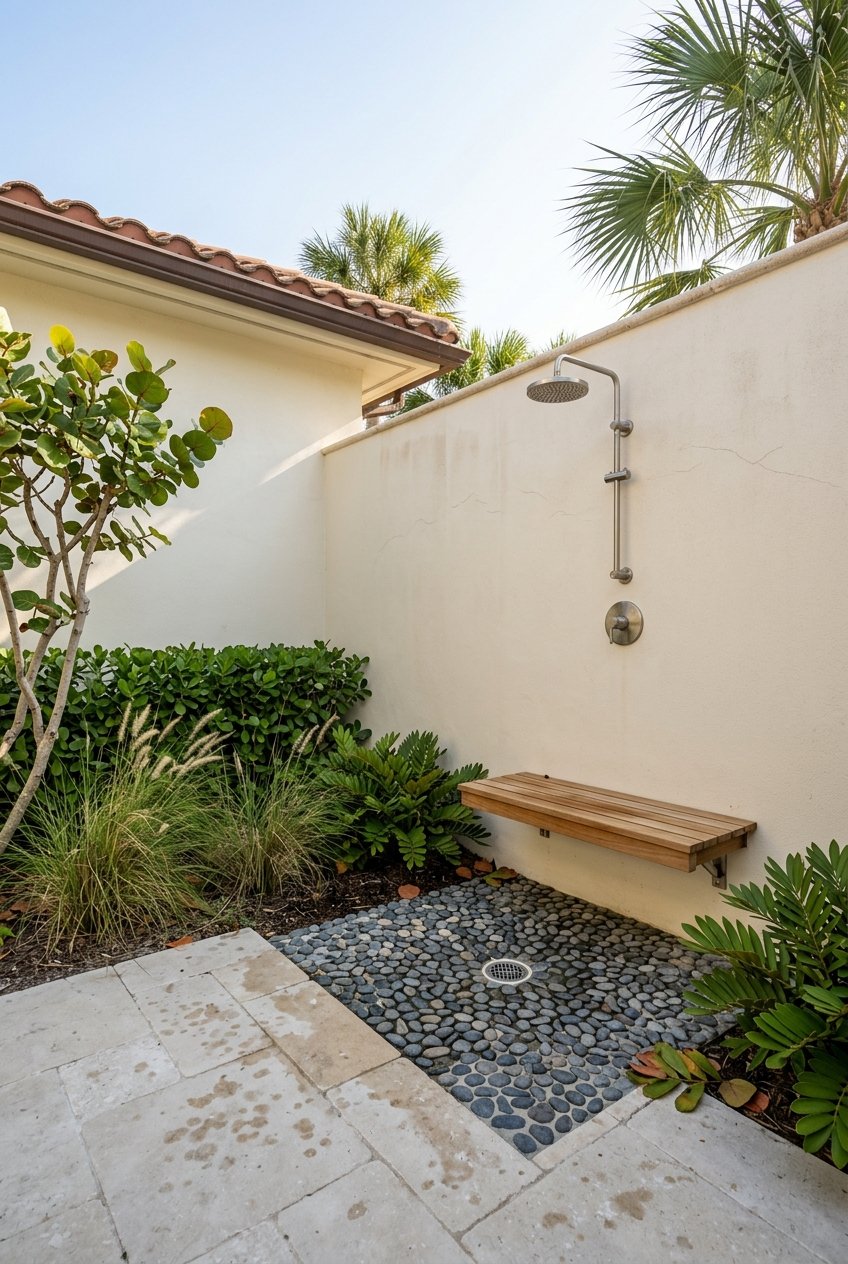
Hobe Sound vs Stuart Living: Which Beachside Style Fits?
May 14, 2026
May 14, 2026
Wondering whether Hobe Sound or Stuart is the better fit for beachside living? If you are trying to choose between a quieter coastal setting and a more active waterfront town, the answer often comes down to how you want your everyday life to feel. This guide breaks down the lifestyle differences, beach access, outdoor options, and convenience factors that can help you decide with more confidence. Let’s dive in.
If you picture beachside living as peaceful mornings, preserve access, and a more residential pace, Hobe Sound may feel like the better match. Martin County describes Hobe Sound as a small-town community, with Bridge Road as its main street and a primarily bedroom-community pattern.
If you want a beach town with a busier downtown, more built-in amenities, and a stronger walkable waterfront core, Stuart stands out. City materials highlight its historic downtown, Riverwalk, city docks, tram system, and regular events, along with more than 50 locally owned shops, restaurants, and galleries.
In simple terms, Hobe Sound leans quieter and more nature-first, while Stuart leans more active and amenity-rich. Neither is better for everyone. The right choice depends on your daily routine, priorities, and how you define coastal living.
Hobe Sound offers a more low-key rhythm. County planning materials point to a community where many residents rely on US-1 and A1A for services, which supports the idea of a quieter, more residential beachside experience.
That can appeal to buyers who want a retreat-like setting without a dense downtown environment. You may find the pace more relaxed, with daily life centered around home, nature, and outdoor time rather than a packed town core.
Bridge Road serves as the community’s main street, giving Hobe Sound a village-scale feel. Planning documents also emphasize compatibility between residential areas and local commercial space, which helps preserve that small-town character.
Hobe Sound may be a strong fit if you want:
Stuart offers a different kind of coastal energy. Official city materials describe a more developed downtown-waterfront system with shops, restaurants, galleries, city docks, Riverwalk access, and regular events.
For many buyers, that means more to do close to home. You may enjoy being able to spend part of the day near the waterfront, dock a boat nearby, and then head into downtown for dining or shopping without leaving the central core.
The city’s redevelopment plans also point to mixed-use growth, including retail, office space, and luxury condominiums. That gives Stuart a more urban waterfront-town feel than Hobe Sound, while still keeping its coastal character.
Stuart may be a strong fit if you want:
One of the biggest differences between Hobe Sound and Stuart is not just beach access, but the character of the shoreline experience.
Martin County lists both Hobe Sound Beach and Stuart Beach as guarded beaches. Hobe Sound Beach is located at 1 SE Beach Road in Hobe Sound, while Bathtub Beach in Stuart is located at 1585 SE MacArthur Boulevard.
Hobe Sound’s coastal experience feels more preserve-oriented. The Hobe Sound National Wildlife Refuge includes nature trails that lead to a beach on the Indian River Lagoon, and county planning documents describe Hobe Sound Beach on Jupiter Island as a destination for beachgoing, fishing, biking, and picnics.
That setting can feel especially appealing if you value natural surroundings as much as the shoreline itself. In Hobe Sound, beach time often pairs naturally with trails, preserve land, and a more tucked-away atmosphere.
Stuart’s signature beach experience is Bathtub Beach. Martin County notes that the reef just offshore creates the well-known bathtub effect, and the reef is home to more than 500 marine creatures, including endangered sea turtles.
Bathtub Beach gives Stuart a more destination-style beach identity. At the same time, the county notes that seasonal storm conditions can affect accessibility because of erosion and currents, so beach conditions can vary over time.
Both areas support a strong coastal lifestyle, but they deliver it in different ways.
Hobe Sound is especially strong if your ideal day includes nature-based recreation. Jonathan Dickinson State Park, located in Hobe Sound, is the largest state park in Southeast Florida and offers boating, canoeing, kayaking, hiking, biking, and access to the Loxahatchee River.
Nearby preserves add even more options. Kitching Creek Preserve includes a canoe and kayak launch, and Hobe Sound Scrub Preserve offers trails and picnic amenities. The wildlife refuge also allows fishing in the Intracoastal Waterway and surf fishing at North Beach.
If your version of beachside living includes paddling in the morning and trail time in the afternoon, Hobe Sound has a very strong case.
Stuart’s water lifestyle is more town-centered. The city docks offer free daytime docking with direct access to Riverwalk, and the Manatee Pocket Mooring Field provides both transient and long-term moorage with nearby boat-ramp access.
County coastal-management materials also emphasize the importance of the St. Lucie Inlet for navigation, fishing, and boating. For buyers who see boating as part of an active waterfront-town routine, Stuart may feel more integrated and convenient.
Lifestyle fit also shows up in the types of homes available and how easy it is to handle day-to-day errands, dining, and recreation.
Hobe Sound planning documents emphasize single-family infill, village-scale streets, and compatibility between neighborhoods and Bridge Road commercial areas. The area includes a mixed housing character, with larger single-family homes on larger lots, smaller single-family homes on winding streets, and some mobile-home and small-dwelling-unit neighborhoods.
That mix can support buyers who value space, privacy, and a more residential setting. At the same time, county documents note that many residents travel for some community facilities and essential retail services, which is important to factor into your lifestyle decision.
Stuart offers a broader mix of housing types and a more redevelopment-driven pattern. Official city materials reference historic neighborhoods near downtown, along with modern townhomes and condominiums.
The city also supports outdoor dining, parking, wayfinding, bike racks, and mixed-use development. For many buyers, that translates into a stronger built-in convenience factor, especially if you want restaurants, shops, events, and waterfront amenities close together.
If you are choosing between Hobe Sound and Stuart, the decision often comes down to one simple question: Do you want your coastal life to feel more private and nature-driven, or more connected and town-centered?
Choose Hobe Sound if you are drawn to a quieter beachside routine, preserve access, and a more residential environment. It can be a great fit if you want your home to feel like a retreat and do not mind driving for some services and amenities.
Choose Stuart if you want a fuller waterfront lifestyle built around downtown energy, boating access, dining, and convenience. It can be especially appealing if you want more activity woven into your day-to-day routine.
For many luxury and second-home buyers, both markets can be compelling for different reasons. The key is to match the location to how you actually want to live, not just how you want the map to look.
If you are comparing homes in Hobe Sound and Stuart and want a tailored, local perspective on which beachside setting best fits your goals, Liz Elliott can help you navigate the options with a personalized, high-touch approach.
Stay up to date on the latest real estate trends.
Get assistance in determining current property value, crafting a competitive offer, writing and negotiating a contract, and much more. Contact me today.